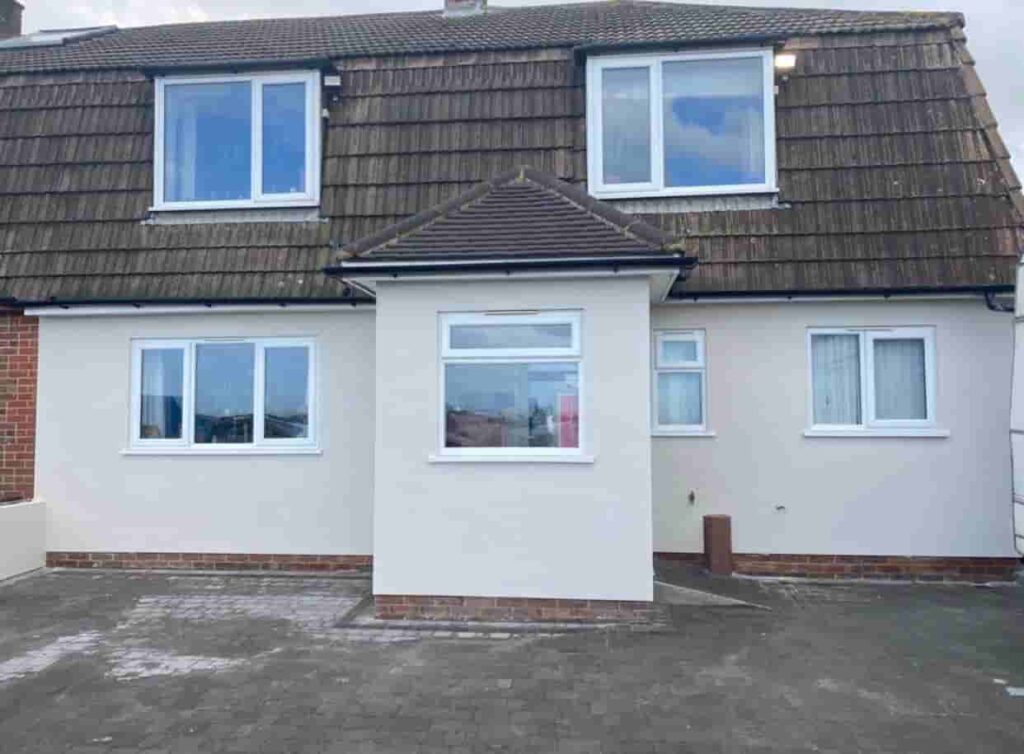
A leaking roof can quickly become a concern for any homeowner. What begins as a small damp patch on a ceiling may develop into damaged plaster, wet insulation, timber deterioration and persistent indoor dampness if the source is not addressed. Identifying the cause early and arranging suitable roof leak repairs can help prevent further damage and protect the condition of your property.
For homeowners in Bexleyheath, South East London, understanding the common causes of roof leaks makes it easier to recognise warning signs and take appropriate action. Although some problems may appear minor from inside the house, water can travel through the roof structure before becoming visible, making professional assessment important when a leak develops.
What Causes Roof Leaks?
Roof leaks can occur for several reasons, from damaged roof coverings to drainage problems and deteriorating joints. Finding the actual point of water entry is essential because the visible damp patch may not be directly beneath the defect.
Broken or Missing Roof Tiles
Roof tiles and slates form the first line of defence against rainwater. Cracked, slipped or missing tiles can expose the layers beneath the roof covering, allowing water to penetrate during rainfall.
Damage may occur gradually through ageing, accidental impact or exposure to strong winds. Even a single displaced tile can create a vulnerable area, particularly if the surrounding materials are already deteriorating.
Regular visual checks from ground level can help identify obvious damage. If tiles appear to be missing or out of position, arranging a professional inspection can establish whether repairs are needed.
Damaged Roof Flashing
Flashing protects vulnerable junctions where the roof meets features such as chimneys, walls and roof windows. If the flashing becomes loose, cracked or poorly sealed, rainwater may enter through these joints.
Leaks caused by flashing defects can be difficult to trace because water may travel along roof timbers before reaching a ceiling or wall. Replacing a damaged tile alone will not solve the problem if the actual fault lies around a roof junction.
Blocked or Damaged Gutters
Gutters and downpipes direct rainwater away from the roof and building. When they become blocked with leaves, moss or debris, water can overflow and repeatedly soak the roof edge, fascia boards and external walls.
Loose gutter brackets, leaking joints and poor alignment can also interfere with drainage. Keeping the guttering clear and checking that water flows freely helps reduce moisture-related problems around the roofline.
Ageing or Damaged Flat Roof Coverings
Flat roofs can develop cracks, splits, blistering or failing seams as their materials deteriorate. Poor drainage may also allow water to remain on the surface for extended periods, increasing the likelihood of problems developing around vulnerable areas.
The appropriate repair depends on the roofing material, the extent of the damage and whether moisture has reached the layers beneath the surface. A professional assessment helps determine whether a localised repair or more extensive work is required.
How to Recognise the Warning Signs of a Roof Leak
Roof leaks are not always obvious from outside the property. Recognising changes inside your home can help you act before moisture causes more extensive damage.
Look for these common warning signs:
- Brown or yellow ceiling stains: Discolouration may indicate water entering from the roof or another source above the ceiling.
- Peeling paint or bubbling plaster: Moisture can affect decorative finishes and cause surfaces to blister or deteriorate.
- Damp patches on upper walls: These may be associated with roof defects, particularly around roof junctions and external walls.
- Musty smells in the loft: Persistent damp odours can indicate moisture accumulation in insulation, timber or other materials.
- Dripping water during rainfall: Active dripping requires prompt attention to limit damage to internal finishes and belongings.
- Visible roof damage: Missing tiles, loose flashing or damaged roof edges can indicate areas that need further inspection.
Remember that water can travel along structural components before appearing indoors. The location of a stain therefore does not always reveal the precise source of the leak.
How to Prevent Further Damage After Discovering a Leak
Once you notice signs of water ingress, taking sensible precautions can help limit the immediate impact while you arrange repairs.
First, move furniture, electrical equipment and other belongings away from the affected area where it is safe to do so. If water is dripping, a suitable container may help catch it and protect surrounding surfaces.
Avoid touching wet electrical fittings or switches, and keep away from ceilings that are bulging or sagging. A waterlogged ceiling can become unstable and should not be disturbed.
Do not climb onto the roof to investigate the problem yourself, especially in wet or windy conditions. A professional roofer can inspect the affected area using appropriate equipment and identify the source more safely.
It is also important not to assume that the leak has stopped simply because the weather has improved. Water may remain trapped within insulation or other materials, so the affected area should be checked for ongoing dampness.
Why Prompt Roof Leak Repairs Matter
Leaving a leak unresolved allows water to continue affecting vulnerable parts of the building. Over time, persistent moisture can damage plasterboard, stain ceilings, reduce the effectiveness of some insulation materials and contribute to timber decay.
Damp conditions can also encourage mould growth, particularly where ventilation is limited and materials remain wet. These problems may become more difficult to address if the original roofing defect is ignored.
Effective repairs focus on the underlying cause rather than simply covering the visible symptoms. This may involve replacing damaged tiles, repairing flashing, correcting drainage problems or addressing defects in a flat roof covering.
A thorough assessment can also identify nearby weaknesses that could lead to further leaks if left untreated.
Professional Roof Leak Repairs in Bexleyheath, South East London
When a roof begins leaking, identifying the source is the first step towards preventing further damage. Bexleyheath Roofing Repairs provides roofing repair services in Bexleyheath, South East London, helping homeowners address roof defects and restore effective protection against the weather.
Whether you have noticed damp ceiling patches, damaged tiles, leaking flashing or problems with a flat roof, professional attention can help establish the cause and determine the appropriate repair.
If you suspect your roof is leaking, contact Bexleyheath Roofing Repairs to discuss the issue and arrange the necessary assessment.
Conclusion
Roof leaks can develop because of broken tiles, damaged flashing, blocked gutters or deteriorating roof coverings. Recognising the warning signs and acting promptly can help limit moisture damage and protect the roof structure.
For homeowners in Bexleyheath, South East London, the most effective approach is to identify the underlying fault and arrange repairs suited to the condition of the roof. With timely attention and appropriate maintenance, you can reduce the risk of recurring leaks and help keep your property protected from the elements.
Call us on: 0208 103 9770
Click here to find out more about Bexleyheath Roofing Repairs
Click here to complete our contact form and see how we can help with your roofing needs